
How Craft Beer Fits into the Circular Economy - Proximity Malt

How Craft Beer Fits into the Circular Economy

Proximity Malt, 10-25-2024

Could The craft brewing industry stand at the forefront of integrating circular economy principles into its operations? What exactly is a circular economy? A circular economy is an industrial system that is restorative or regenerative by intention and design. Unlike the traditional linear model, which transforms raw materials into products that are used once and discarded, the circular model closes the loop by bringing products back into the cycle after use so they can be reused, recycled, or repurposed as much as possible. It is designing a system to continue production in a sustainable and environmentally friendly way. The beverage sector, including the craft brewing industry, has started rethinking its business models and processes to align with circular economy principles. By focusing on the circulation of resources and the regeneration of nature, breweries can minimize waste and create value from by-products, leading to a more sustainable and efficient system. How Craft Beer Fits into the Circular Economy

Could The craft brewing industry stand at the forefront of integrating circular economy principles into its operations? What exactly is a circular economy?

A circular economy is an industrial system that is restorative or regenerative by intention and design. Unlike the traditional linear model, which transforms raw materials into products that are used once and discarded, the circular model closes the loop by bringing products back into the cycle after use so they can be reused, recycled, or repurposed as much as possible. It is designing a system to continue production in a sustainable and environmentally friendly way. The beverage sector, including the craft brewing industry, has started rethinking its business models and processes to align with circular economy principles.

By focusing on the circulation of resources and the regeneration of nature, breweries can minimize waste and create value from by-products, leading to a more sustainable and efficient system.

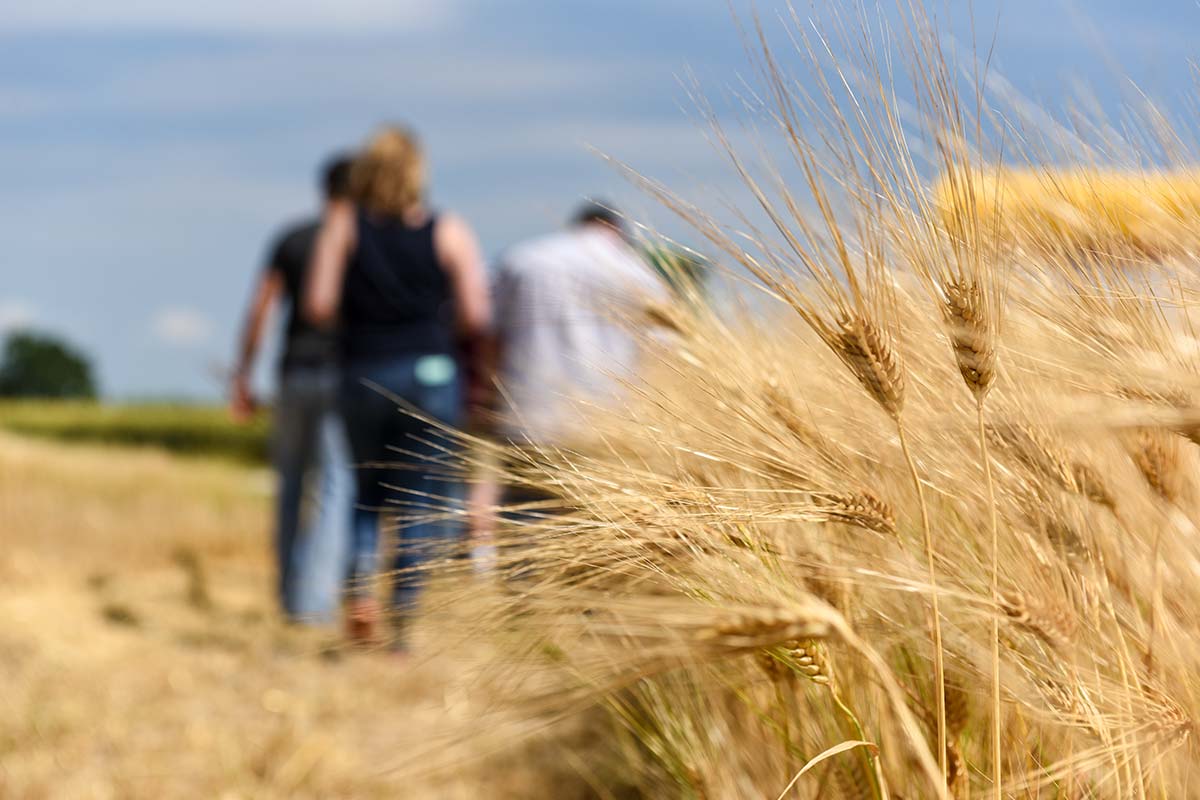
Embrace Regenerative Agricultural Practices: The first step in a circular economy would be encouraging regenerative agricultural practices, where farmers would actively work to improve soil health, reduce GHG emissions and decrease the synthetic inputs used to produce the raw materials needed for the barley and malt supply chain.
Malting and Brewing: Valorizing By-products

Spent Grains as Animal Feed and Compost

The process of malting and brewing generates various by-products, including barley screenings dust and sprouts in the malting process, and spent grains, yeast, and wastewater in the brewing side. Traditionally viewed as waste, these by-products hold potential for creating value and minimizing environmental impact. For instance, spent grains, which constitute a significant portion of brewery waste, can be repurposed in several innovative ways.

  • Animal Feed and Compost: The malting industry has for a long time sold the barley by- products into feed channels to minimize waste. Spent yeast and grains from brewing and malting sprouts are rich in nutrients, making them an excellent feed option for livestock. This not only provides a sustainable disposal method for breweries but also supports local agriculture by offering a cost-effective feed alternative. Additionally, spent grains can be composted to enrich soil, contributing to agricultural productivity and soil health.
  • Food Production: Beyond animal feed, spent yeast and grains can be transformed into flour for baking or used as an ingredient in food products or pet food, offering a sustainable and nutritious alternative to traditional ingredients. Note that this sector has not yet been fully developed, and at this time, supply outstrips demand of spent grains.

Finding ways to repurpose these materials helps create value from waste streams and supports sustainable practices.

Closing the Loop: Utilizing Manure and Chicken Litter

Benefits of Using Manure and Chicken Litter as Fertilizers

Sustainable brewing extends beyond the brewery walls, involving collaboration with local farmers. The use of manure and chicken litter as fertilizers closes the loop, returning nutrients to the soil and supporting regenerative agricultural practices. This not only reduces the reliance on synthetic fertilizers but also enhances soil fertility and biodiversity.

Circling back to Regenerative Agriculture and Soil Health

Incorporating animal manure and chicken litter into farming practices contributes to regenerative agriculture, which focuses on soil health, biodiversity, and ecosystem resilience. This approach aligns with the principles of sustainable practices by regenerating natural systems and reducing the need for external inputs.

Solidifying the Process: Building Collaborative Structure

Fostering Partnerships

The success of sustainable brewing relies on collaboration between breweries, farmers, and other local businesses. By working together, these stakeholders can create a more resilient and circular system. For example, breweries can partner with local farmers to supply spent grains as animal feed, while farmers can provide breweries with locally grown ingredients.

Economic and Community Benefits

Adopting sustainable practices offers economic benefits for breweries and local communities. By reducing waste and utilizing by-products, breweries can lower their operational costs. Additionally, supporting local agriculture and businesses fosters economic growth and strengthens community ties.

“It’s great knowing that the money we spend on malt goes back to the communities and that the growers will spend the money close to their homes- on seeds, equipment, groceries for their families, and that while they are shopping, they buy our beer, and the cycle continues.”

Dave Thibodeau, Co-Founder of Ska Brewing in Durango, CO

Consumer Education and Awareness

Educating consumers about the benefits of sustainable practices is crucial. When consumers understand the positive impact of these practices, they are more likely to support breweries that prioritize sustainability. In a recent study, 60% of beer consumers were willing to pay (WTP) more for a product that they knew to be sustainably produced. This can be achieved through transparent communication, labeling, and community engagement.

Craft Breweries are Central to the Circular Economy

The craft brewing industry’s embrace of sustainable practices represents a significant step towards environmental stewardship. Breweries can minimize their environmental impact while supporting local economies and communities by embracing regenerative agriculture, valorizing by-products, utilizing organic fertilizers, and fostering collaborative partnerships. This approach benefits the breweries and sets a precedent for other industries to follow, demonstrating the feasibility and benefits of sustainable practices.

By following the principles of designing out waste and pollution, circulating products and materials to preserve value, and regenerating nature, the craft brewing industry can create a more sustainable and efficient system that benefits everyone involved

Ready to brew a more sustainable future?

Discover how your brewery can embrace circular economy principles and make a positive impact. Download our ReGenMalt Impact Analysis to see real data on sustainable brewing practices, including regenerative agriculture and waste reduction strategies to create a more circular and efficient brewing process.

Archives